The Angelman Syndrome Alliance (ASA) would like to announce our sixth grant call, to fund research for Angelman syndrome, open to teams both in Europe and outside of Europe. 

Key dates  

        Applications open: 1st June 2025 

        Deadline for applications: 1st November 2025 

        Successful grant applicants notified: 1st of April 2026 

        Grant funding period starts: 1st April 2026 

Background 

The Angelman Syndrome Alliance (ASA) is a non-profit organisation registered in the Netherlands, created by a partnership of organizations from around the world that are focused on supporting people with Angelman Syndrome, their loved ones, carers, and clinicians. By combining resources, knowledge, and a relentless dedication to initiate change, the ASA is uniquely positioned to drive advances in scientific knowledge about Angelman Syndrome.  

 Angelman Syndrome is a rare genetic disorder that results from a loss of UBE3A gene activity which encodes the ubiquitin E3 ligase E6-AP. It is characterised by severe intellectual disability, lack of speech, motor coordination deficits, sleep disturbance, and usually a happy demeanour. 

Who can apply? 

Researchers of any country are invited to apply for research grants covering ‘basic science’ research that can help support a better understanding of Angelman Syndrome and eventually lead to new treatments tackling the genetic & molecular processes underlying the condition. 

Maximum budget: 120,000 €

Maximum duration: 3 years

Date for applications: November 1, 2025

Applicants can apply for up to €120,000. The duration of the grant is flexible, but the maximum duration is 3 years. A detailed written report to support the evaluation of the progress of the project will be required after completion of 50% of the anticipated grant duration and a final report at the end of the study. Researchers will also be required to present their results at the ASA biannual conferences. 

Suggested topics for research:  

1.       Biomarkers for assessing target engagement. This would encompass proposals that develop and validate approaches to accurately assess in vivo brain UBE3A levels following treatment (such as CSF biomarkers and direct PET measurements). 

2.       Objective and quantifiable clinical outcome measures. This could include wearable devices or other data gathering technologies to measure clinically-relevant phenotypes (e.g. – motor, sleep, seizures), ideally in a home setting. 

3.       Phenotypes and readouts in human and/or mouse neurons that reflect UBE3A dysfunction. This could include cell physiological readouts that reflect holistic assessments of UBE3A activity, levels, and localization. We envision these being useful for the cataloging of UBE3A missense variants and for identifying and understanding the effects of UBE3A regulators, cofactors, and the function of the isoforms. 

4.       Mouse model studies that address gaps in preclinical measurements. For example, there is a need for high-throughput and reliable cognitive phenotyping in mice. Other pressing questions include: (1) how does the duration of UBE3A-reinstatement influence phenotypic recovery, and (2) are there critical brain regions and thresholds for UBE3A reinstatement?  

These topics are not exclusive. It is possible to apply with a different topic.  

Applications must include 

1.       Title of research proposal 

2.       Name principal investigator 

3.       Contact Email 

4.       Department of investigator 

5.       Amount requested in € 

6.       Select here planned duration of research project in years 

7.       Planned start date 

8.       Planned end date 

9.       Cover Letter PDF Cover letter including the title of the proposal and the name of the principal investigator. 

10.  Proposal PDF . Full proposal containing goals, methodology, timeline and detailed budget 

11.  Biographical sketch PDF 

a.       Provide a biographical sketch of the Principal Investigator and Co-Investigators. 

b.       Curriculum vitae of the applicant(s). 

12.  Lay abstract of research proposal An abstract, including an introduction, objectives, methodology and scientific impact. 

Legal requirements  

Applicants will be responsible for ensuring all legal requirements in their countries can be met. For example, animal testing, human tissue samples, radiation, and these must be approved by the respective institutional review boards before funding can be released.  

The ASA standard grant contract is found here: https://angelmanalliance.org/wp-content/uploads/2025/03/ASA-Standard-research-funding-agreement.pdf 

How to apply & questions 

All proposals, including cover letters, should be uploaded on the ASA website: Grant Application ASA Grant 2026 – Angelman Syndrome Alliance 

Questions about the grant application process should be directed to Mrs. Lara Chappell: Lara.Chappell@angelmanalliance.eu 

Questions about research on Angelman Syndrome should be directed to Prof. Hanoch Kaphzan of the Scientific Advisory Board at:  hkaphzan@univ.haifa.ac.il 
The ESHG Precision Medicine Team are excited to announce that registration is now open for the European Society of Human Genetics (ESHG) Precision Genomic Medicine Workshop 2025! This is the 2nd time this workshop has been run and this year it is being developed in partnership with both the Canadian College of Medical Genetics (CCMG) and the Human Genetics Society of Australasia (HGSA).


Event Details
● Dates: 9th – 11th April 2025
● Location: The Pillar Centre for Transformative Healthcare, Mater Misericordiae Hospital, Dublin, Ireland

Format: Hybrid (In-person and online attendance options available)

Why Attend?
Precision medicine is transforming healthcare by enabling targeted treatments tailored to each patient’s unique genetic, lifestyle, and environmental factors. This event is designed to help equip healthcare professionals with the tools and knowledge to revolutionise patient care using the principles of genomic medicine by bridging the gap between groundbreaking scientific advancements and their practical application in clinical practice.

For more information please visit https://www.mater.ie/healthcare-professionals/eshg-precision-medicine/

Highlights Include:
● Expert Guidance: Over 25 world-class educators and specialists from leading institutions.
● Comprehensive Learning: Five themed sessions across 2.5 days covering both foundational and cutting-edge principles of precision genomic medicine.
● Practical Application: Gain actionable knowledge applicable to almost any area of medical practice.

Registration Now Open! Spaces are limited, so secure your spot today to be part of this transformative event.

Scholarship Opportunities
We are pleased to announce 10 ESHG-sponsored scholarships of €750 each for early-career clinicians and scientists attending the workshop in person.
Eligibility and Application Details:
● Preference will be given to clinicians/researchers from low- or middle-income countries and ESHG members (though all are welcome to apply).
● Submit a brief overview (200 words or less) of why you should be considered for one of these scholarships to ESHGprecisionmedicine@gmail.com.

Key Deadlines:

● Scholarship Application Deadline: Sunday, 26th January 2025, 24:00
● Notification of Successful Applicants: Friday, 31st January 2025, 24:00

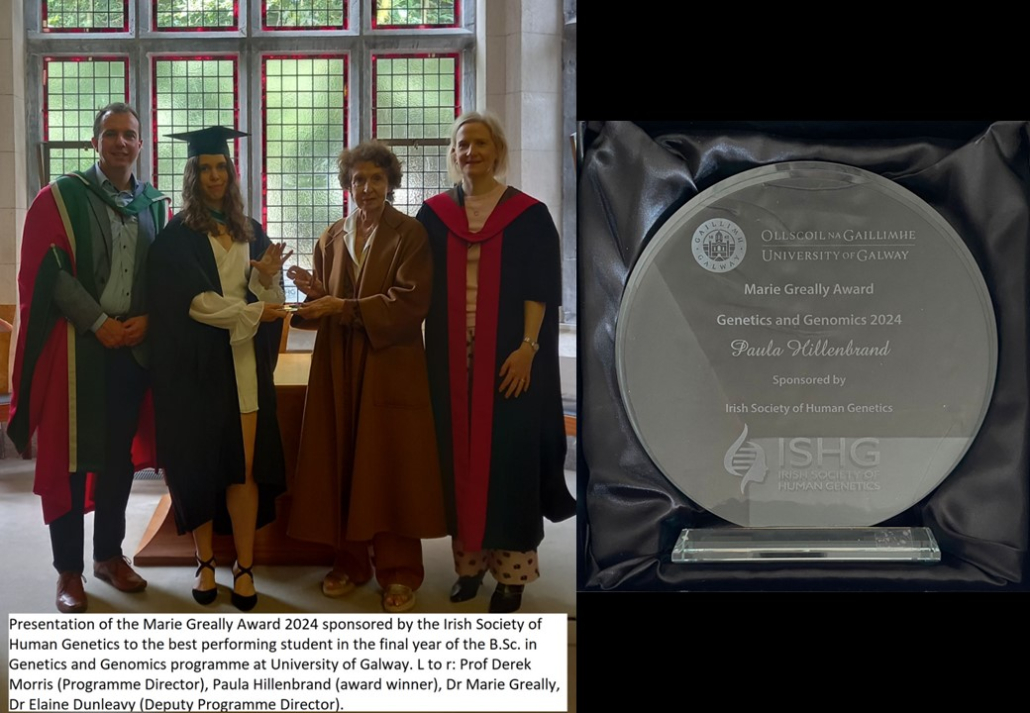
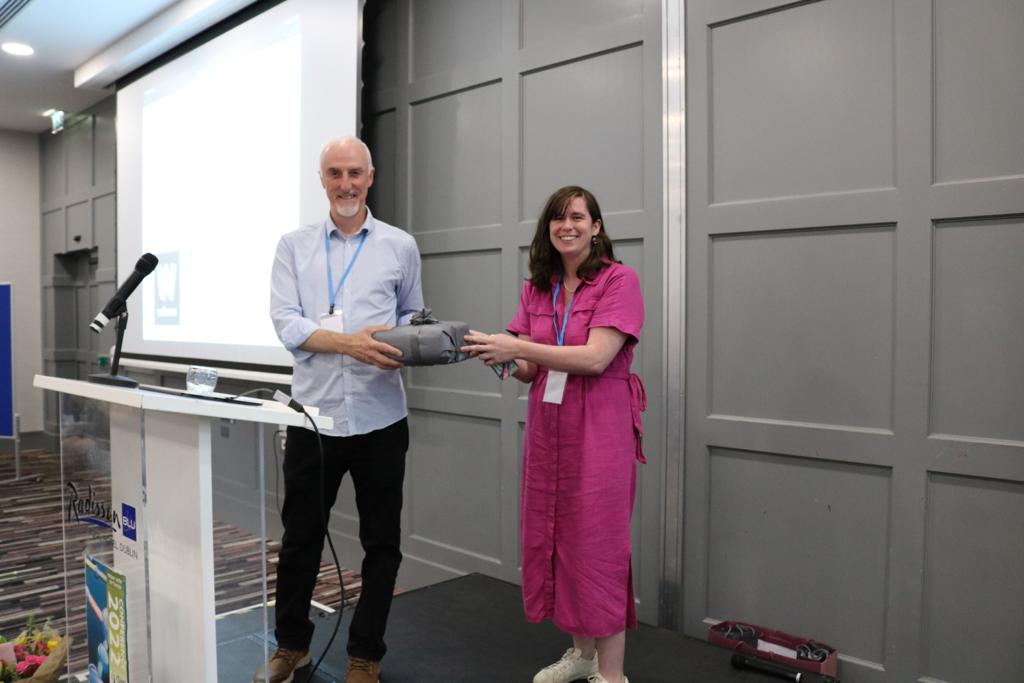
Paula Hillenbrand was awarded the Marie Greally Award 2024 for the best performing final year student on the BSc in Genetics and Genomics at University of Galway.

We are delighted to announce these studentships to support undergraduate students (with an interest in human genetics) to complete a short research project. We hope that this will allow students the opportunity to become familiar with research techniques and perhaps complete a pilot study that may aid grant applications later in the year.

We propose to support 2 students, each for 6-8 weeks, with €250 per week and our first students will begin in summer 2024. Those that are successful will be expected to publish their work +/or present at ISHG, ideally at our 2024 conference if the work is ready on time.

Key dates are as follows:

  1. Supervisors submit a brief project proposal to an ISHG committee member, via email, before 8 th Dec 2023
  2. Application for students opens 1 st February 2024 & closes on 16 th March 2024 – CV & short application form, details to be announced in December
  3. Shortlist of candidates drawn up with interviews
  4. Successful candidates select their project in April 2024

Chairperson’s Report

Our 26th Annual Scientific Meeting was held at the Galmont Hotel on 22nd September. It was an extremely enjoyable and educational day for all, in a beautiful setting. We had around 100 delegates registered in advance, and more arrived on the day. There were also 15 sponsors who very kindly supported us.

There was a very high calibre of local research presented over a wide variety of topics. Our posters were also of a very high standard and we are pleased to be able to display them on our website for the next 3 months, via password protection, for delegates. There were 3 very interesting talks from our keynote speakers covering a wide variety of topics.

Prof Gareth Evans started off our conference with an excellent talk on ‘The importance of moderate and high risk genes and polygenic risk in population risk stratification’. The high risk breast cancer genes are at low frequency, so do not contribute in the majority of hereditary cases. Conversely, around 45% of risk is polygenic. Breast density is one of the biggest risk factors for breast cancer, as it affects a mammogram’s ability to pick up a cancer, and is highly hereditable. A better understanding of breast cancer risks will allow us to develop more personalised screening strategies.

Prof Serena Nik Zainal was our second keynote speaker, talking about ‘Utilising the full potential of whole genome sequencing for clinical purposes’. Cancer tumour samples show 1000s of mutations, most of which were thought to be noise or passenger events. However, if we look carefully, we see patterns emerging, which can have diagnostic and management implications, e.g. in identifying germline mutations, finding the primary in metastatic cancers and dictating treatments.

Our final keynote speaker was Prof Aoife McLysaght, who spoke on ‘Dosage sensitivity in evolution and disease’. We learnt of how vertebrates evolved from tetraploidy cells and about ohnologs, which was a new concept for many of us. Ohnologs are the genes retained after whole genome duplication. Studying these genes tells us important information about dosage sensitivity and help us to identify which genes are responsible for pathogenicity within rare copy number variants.

At our AGM we announced our Summer Research Studentships, which are now available for 2 students, beginning in summer 2024. Further details can be found on our website.

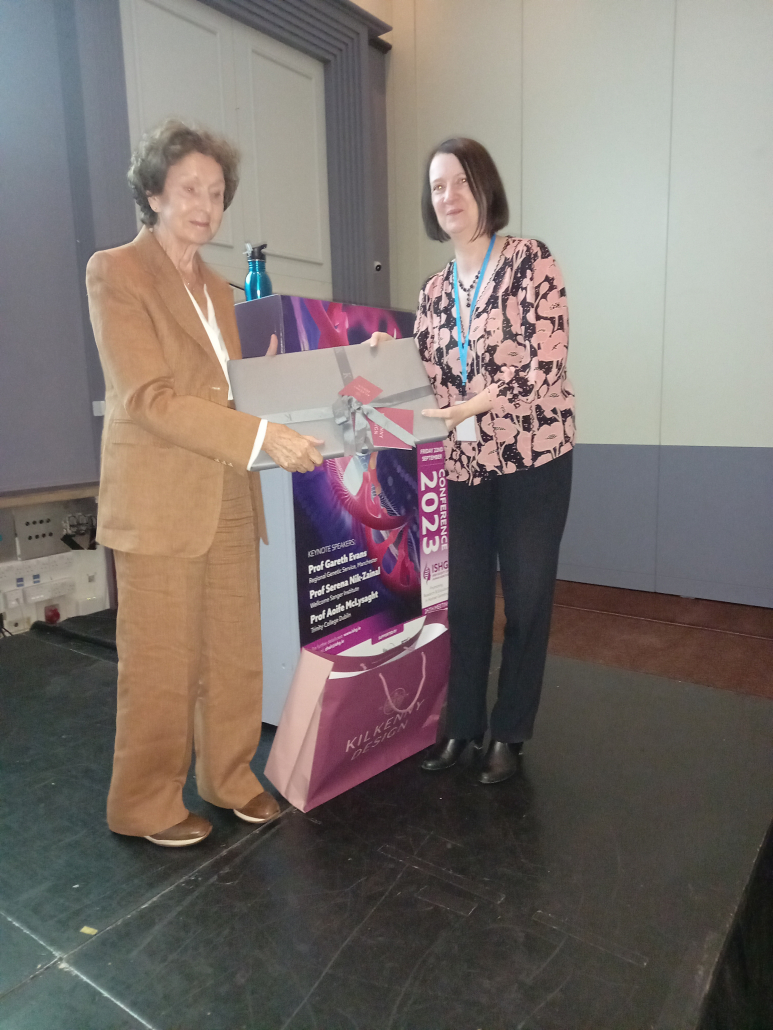
We were delighted to give out prizes at the end of the day and found it difficult to choose the best among them. See below for details. We were very proud to welcome Dr Marie Greally as a well-deserved honorary member. Dr Greally has shown great commitment to her patients throughout her career and inspired and educated many Geneticists along the way.

Finally, I want to thank all our speakers, delegates and sponsors, for making our conference such a success. I look forward to meeting you all again at our 27th Annual Scientific Meeting, which will be held in the Royal College of Physicians in Ireland, Kildare Street, Dublin, on Thursday 19th September.
Deirdre Donnelly

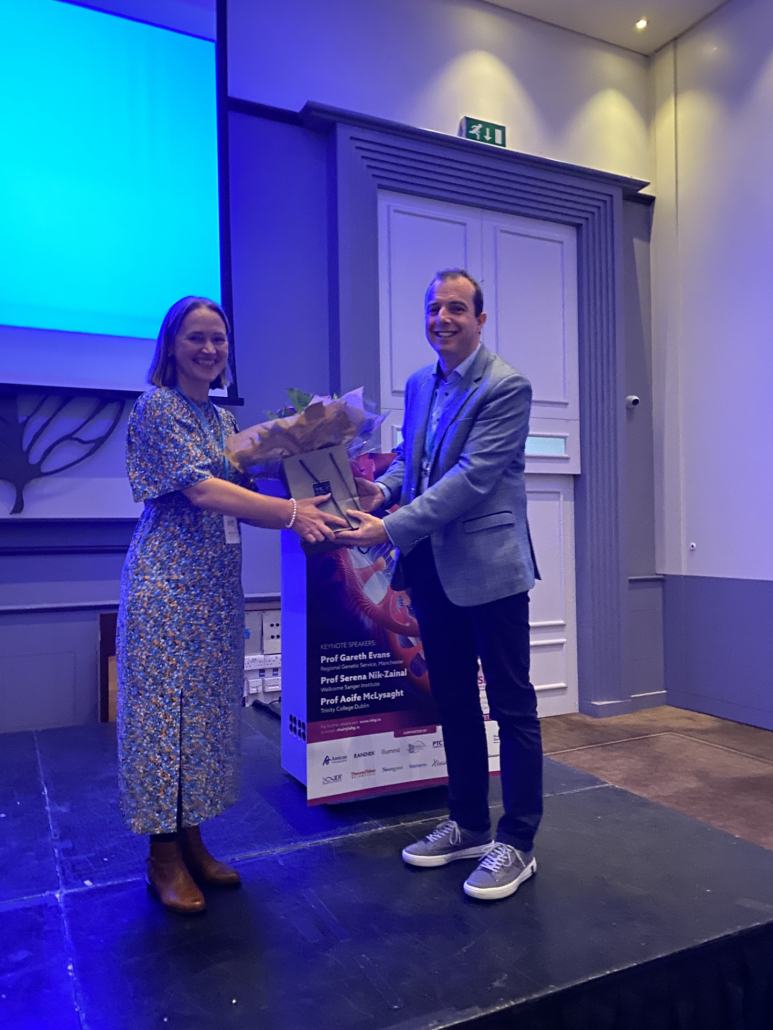
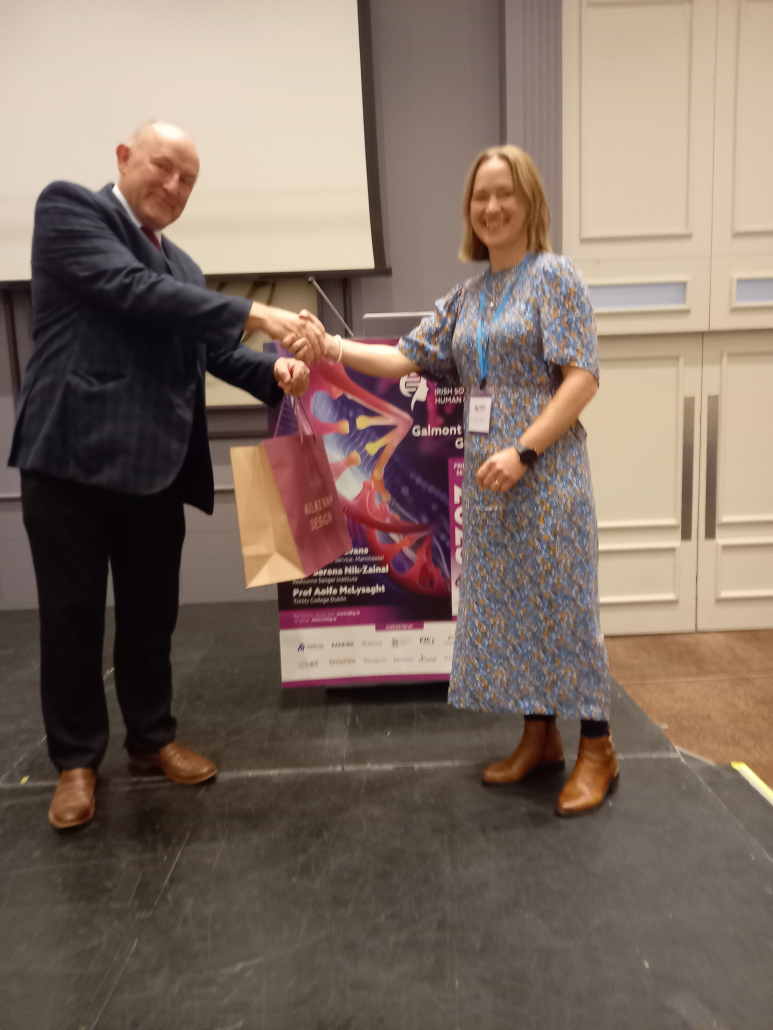
Prizes:

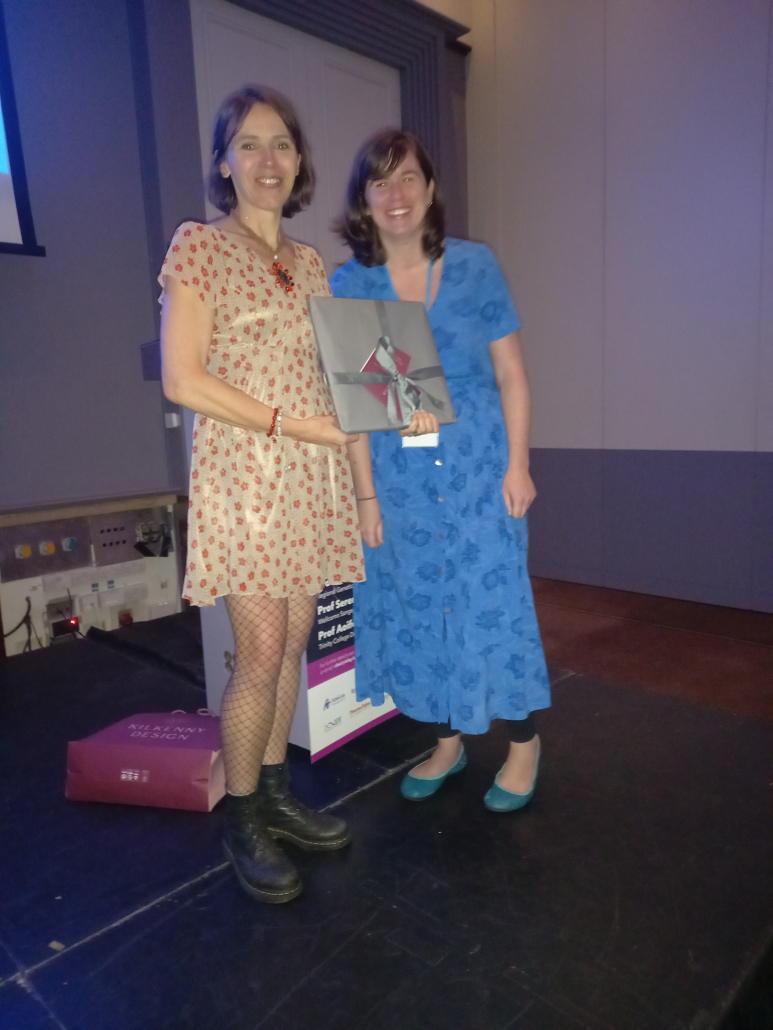
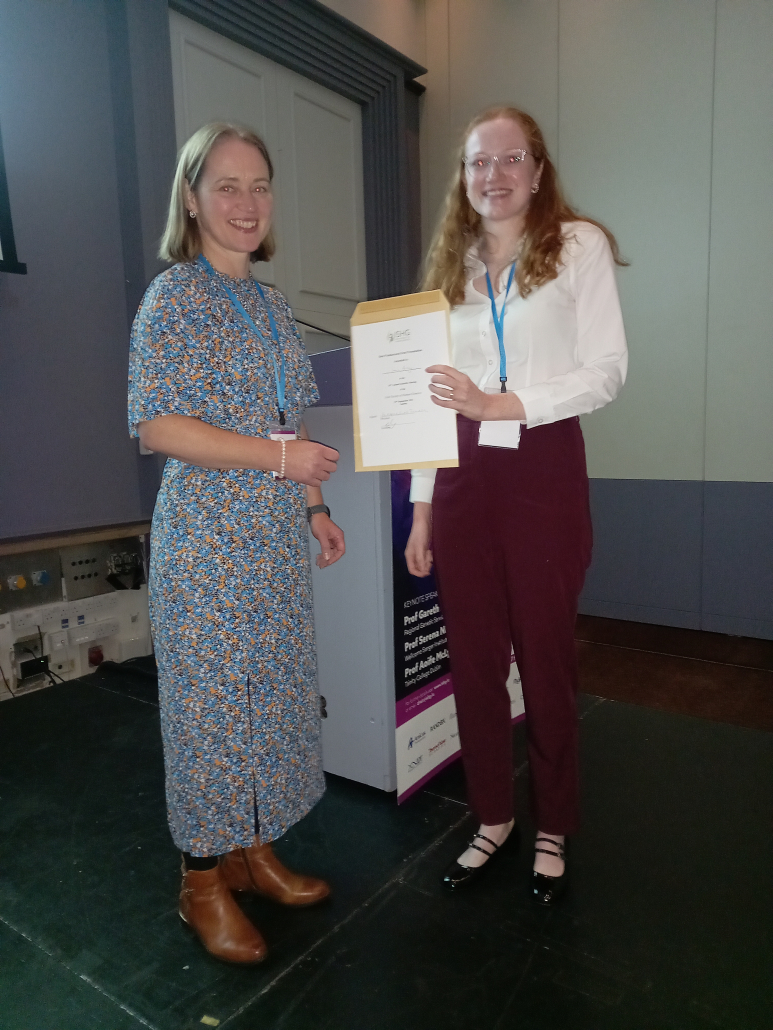
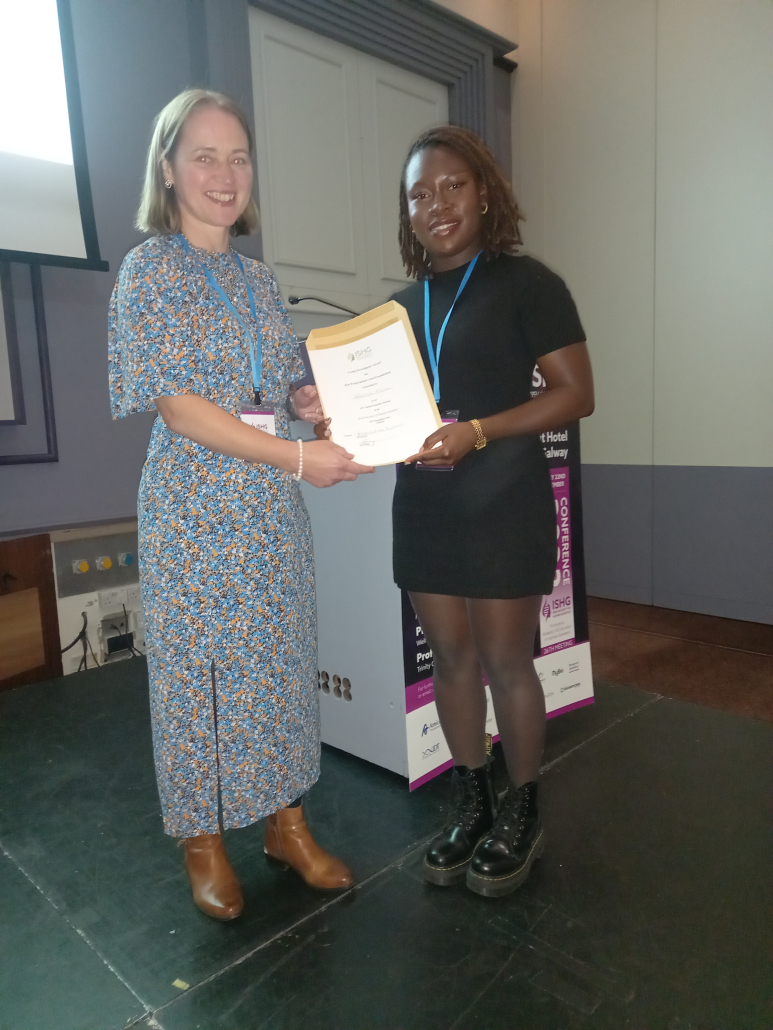
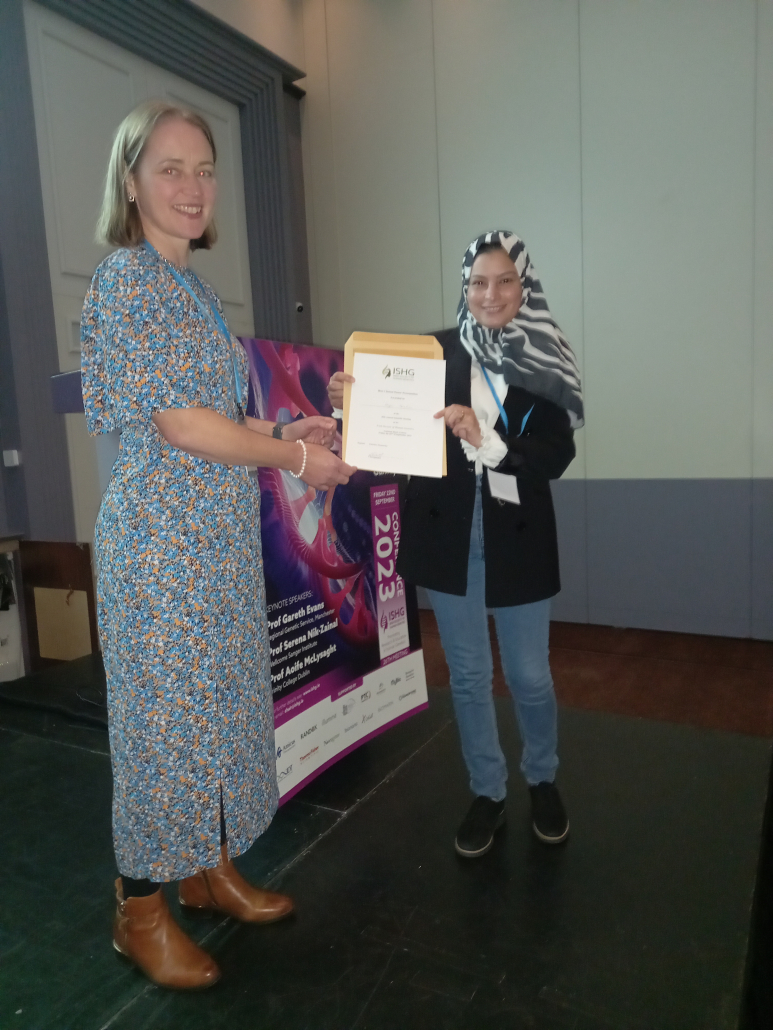
  • Best post-doc oral – Dr Laura Fahey
  • Best post-grad oral – Ms Ifeolutembi Fashina
  • Best basic science poster – Mr Aodan Laighneach
  • Basic clinical poster – Dr Aya Ibrahim

The HSE launched the First National Genetics and Genomics Strategy for Ireland on Tuesday 13th December. The strategy outlines the planned development of an enhanced patient and family-centred genetic and genomic service that will be coordinated nationally. A press release and further details are available at the above link.

Dr Mark Bale, Advisor and Lead for the National Strategy for Genetics and Genomics for Ireland, gave a keynote talk from at ISHG 2022 in September on “An update on The National Genetics and Genomics Strategy for Ireland”. It’s great to now see the project moving forward and to see details on the strategy emerging. Speaking at the launch, Dr Bale said “In the development of this strategy, we’ve noted examples of excellence in genetics and genomics evident throughout the country. However, because of the collective, invaluable contributions of over 100 experts, healthcare professionals, advocates and patient representatives, Ireland now has a comprehensive strategy. This provides a way forward for progressing this exciting field of medicine to improve citizen health and wellbeing whilst advancing research, innovation, and discovery. I have every confidence that Ireland will rise to this occasion, beginning with implementation in early 2023.”

More on the strategy, including a 76 page report, are available at https://www.hse.ie/eng/about/who/strategic-programmes-office-overview/national-strategy-for-accelerating-genetic-and-genomic-medicine-in-ireland/

Our 25th annual conference took place on the 16th September in the Radisson Blu Hotel, Golden Lane, Christchurch, Dublin 2.

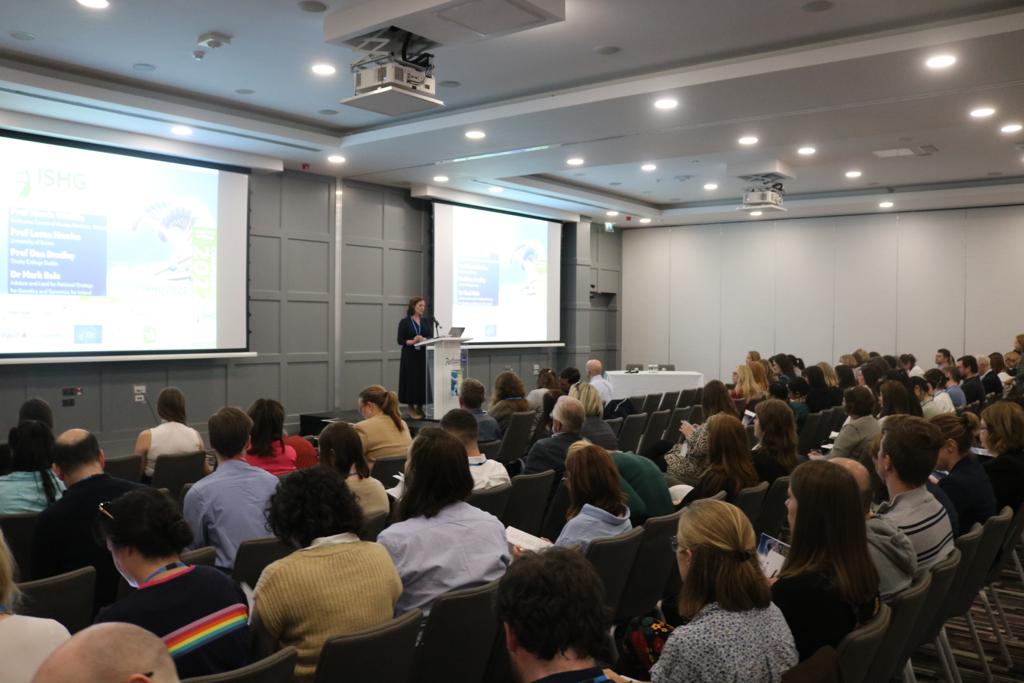
The meeting had 129 registrations and was hugely successful. After a welcome from our Chairperson Jackie Turner we had an address from Dr Mark Bale, Advisor and Lead for the National Strategy for Genetics and Genomics for Ireland who provided “An update on The National Genetics and Genomics Strategy for Ireland”. We also had an update from the IPPOSI Citizen Jury on Genetics and Genomics before the keynote talk from Prof Nicola Whiffin on “Interpreting variation in the non-coding genome”. Sequencing the coding regions only misses the impact of regions that play regulatory roles.

After coffee 5 speakers presented in our clinical plenary which took us to lunch and poster viewing. An impressive sponsored lecture from Accuscience on their FlowBot (wit a demo model on site!) followed before the keynote from Prof Lorna Harries on “Dysregulated alternative splicing – a new (and druggable) hallmark of ageing”. Unsurprisingly this talk generated a lot of excitement as Prof Harries was able to demonstrate new understandings in the ageing process, with the promise of interventions to increase “healthspan”.

Our basic research plenary followed before our final keynote from Prof Dan Bradley who gave us history and genetics on a tour of ancient Ireland as informed through ancient DNA. Honorary membership was then deservedly bestowed on Prof David McConnell who entertained everyone with his look back on the research genetics community in Ireland.

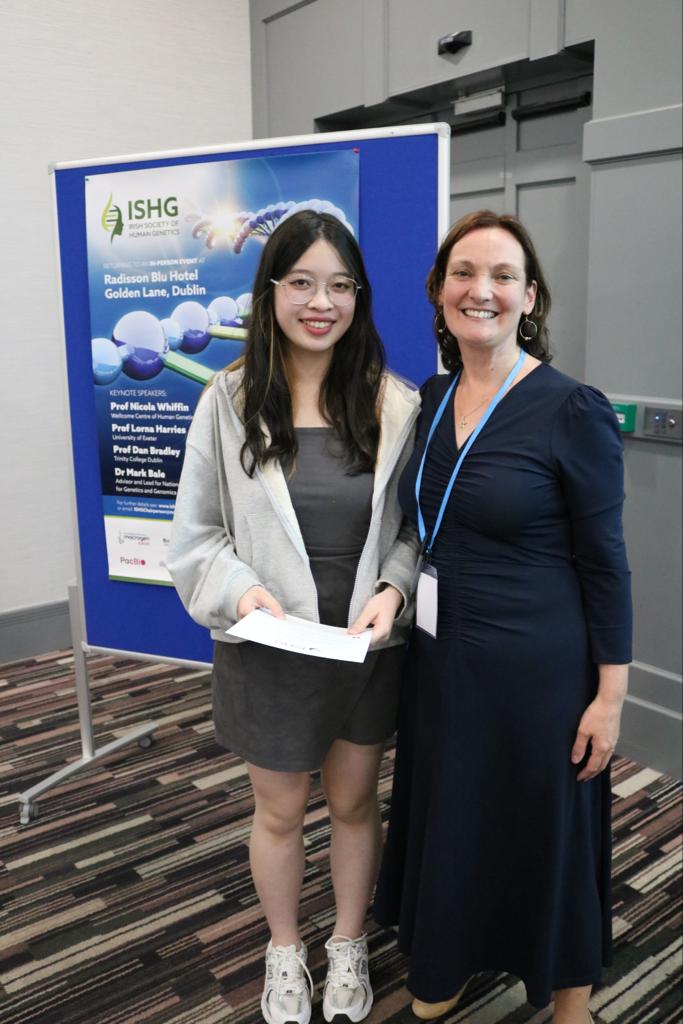
There was a warm reception for the two Secondary Student Essay Prizes:

  • First Prize: Amy Deng – Institute of Education, Leeson Street
  • Second Prize: Eoghan Strain – Scoil Mhuire Buncrana, Co. Donegal

The conference concluded with the announcement of the best presentations listed below. The oral presentations were voted on by all attendees and the poster prizes were judged by the ISHG committee.

Prizes 2022

  • Best Postdoctoral Oral Presentation: “AAV-delivered gene therapy for dry AMD provides benefit in murine and cellular models” presented by Dr. Sophia Millington-Ward. Prize of €150 cash & Registration fees for the ESHG 2023
  • Best Postgraduate Oral Presentation: “Methylome profiling of young adults with depression in Ireland” presented by Amy Louise Doherty. Prize of €150 cash, & travel scholarship to ESHG 2023.
  • Best Postdoctoral Poster: “Therapeutic potential of AAV-ophNdi1 for the treatment of neurodegenerative disease”  presented by Dr. Naomi Chadderton. Prize of Registration fees for ESHG 2023.
  • Best Postgraduate Poster: “Folic acid intervention during pregnancy alters DNA methylation, affecting neural target genes through two distinct mechanisms” presented by Luke Hilman. Prize of Registration fees for ESHG 2023.
  • Young Investigator Award Rebecca Mahoney. Prize of €150 cash prize & travel scholarship to 2023 ESHG meeting.

The National Genetics and Genomics Strategy is to be published by end of this year.

On Friday, 30th September 2022, as part of the development of the National Strategy for Genetics and Genomics, the HSE hosted a Town Hall event at the Royal College of Physicians of Ireland, attended by Minister for Health, Stephen Donnelly TD. Minister Donnelly said: “I welcome the opportunity to attend the National Genetics and Genomics Strategy Town Hall. Genomics has the potential to transform healthcare provision, allowing for a more cost-effective healthcare system that delivers better patient outcomes. As part of the Programme for Government we made a commitment to genomics and the €2.7million in funding that we have secured for the implementation of this Strategy is a testament to the work achieved to date. I look forward to the publication of this Strategy.”

The development of the National Genetics and Genomics Strategy has been underway since May this year. An expert Steering Group chaired by Dr Mark Bale (who gave the first keynote talk at the ISHG Conference this year), former Genomics Advisor to the UK Department of Health, and including representatives from a range of clinical specialities in Ireland, academic and patient representatives, and international experts in the area of genetics and genomics is leading the development of the strategy. This work is a priority of HSE Chief Clinical Officer, Dr Colm Henry, and is led by the Strategic Programmes Office of the CCO.

The National Strategy, which will be published by the end of this year, will define what actions and resources are needed so that the HSE can develop a genomic service for Ireland that will improve health outcomes, drive down the cost of care, and fuel scientific innovation and discovery.

*** The above text is taken from the HSE Press Release. *** See there for further information on the Town Hall event.

See the National Strategy for Genetics and Genomics in Ireland website for details including its purpose, principles, objectives, a timeline and other details.

The African Society for Human Genetics has partnered with the SFI Centre for Research Training in Genomics Data Science on a publicly available webinar series that will take place from the 14-18th November 2022. 

Please see below for details. The zoom link to register is https://zoom.us/meeting/register/tJUlceGtrDwtG9yyi_Ow7CHLf3r12Cb6GHk1

African Genomics webinar flyer